Receiving a salary from a foreign company in China
The situation when a person is sent to China to perform a certain activity, but at the same time does not officially get employed in a Chinese company, is common. As an example – a constantly posted employee who checks the quality of the goods supplied by the Chinese side.
Naturally, s/he needs money for this. For accommodation, transportation, food, and in the end, s/he should receive a salary. Most often this is solved in two ways:
- a supply of cash with you. Inconvenient to carry, inconvenient to change
- transfers to a bank card of your country and cash withdrawals from Chinese ATMs. The same inconvenience as in clause 1, aggravated by a withdrawal fee
However, Chinese law allows a person posted to China to legally receive money for all necessary expenses directly to their Chinese card. The advantages are obvious – a SWIFT transfer costs a penny, money goes directly to the card, there are no problems with cash. Disadvantages – you will need to pay taxes from this money.

The answer of Chinese tax authorities to my question about the topic
In this answer, we are interested in item 5 – workers posted to China and their expenses for transport, accommodation, food, life and their salaries. According to the explanation, only part of the salary is taxed. That is, from the side of the operations of the tax authorities, such activity does not raise questions and everything is completely legal and transparent.
Confusion arises with the migration service, which considers work outside the scope specified in the work permit to be illegal work with the corresponding consequences. Therefore, in the documents that you submit to the bank, and with which, perhaps later, you will justify yourself before the migration service, in no case should there be the word “work”. That is, no 劳动,工作,就业. It should say 派出,差旅,出差 everywhere.
Accordingly, the first step is paperwork (and translation). I received money from a company in Hong Kong, the local bank easily stomached the purpose of payment and notes in Chinese, but if it happens where Chinese is not understood, then it is better to get a translation.
The first document that needs to be written and signed is a business trip contract. It must contain a contract number (which you will then indicate in the notes to the transaction), a name (出差合同协议,出差协议书) and a description of what the employee will do on a business trip. Indicating the country (China), possibly – specific cities and conditions of reimbursement (which will be required when it will be necessary to prove that this particular part of the money is not to be taxed). But we’ll talk about reporting a little later.
The second document will be 出差证明 (confirmation of a business trip) – such and such a person from such and such to such and such a date is sent to such and such a place to carry out such and such an activity.
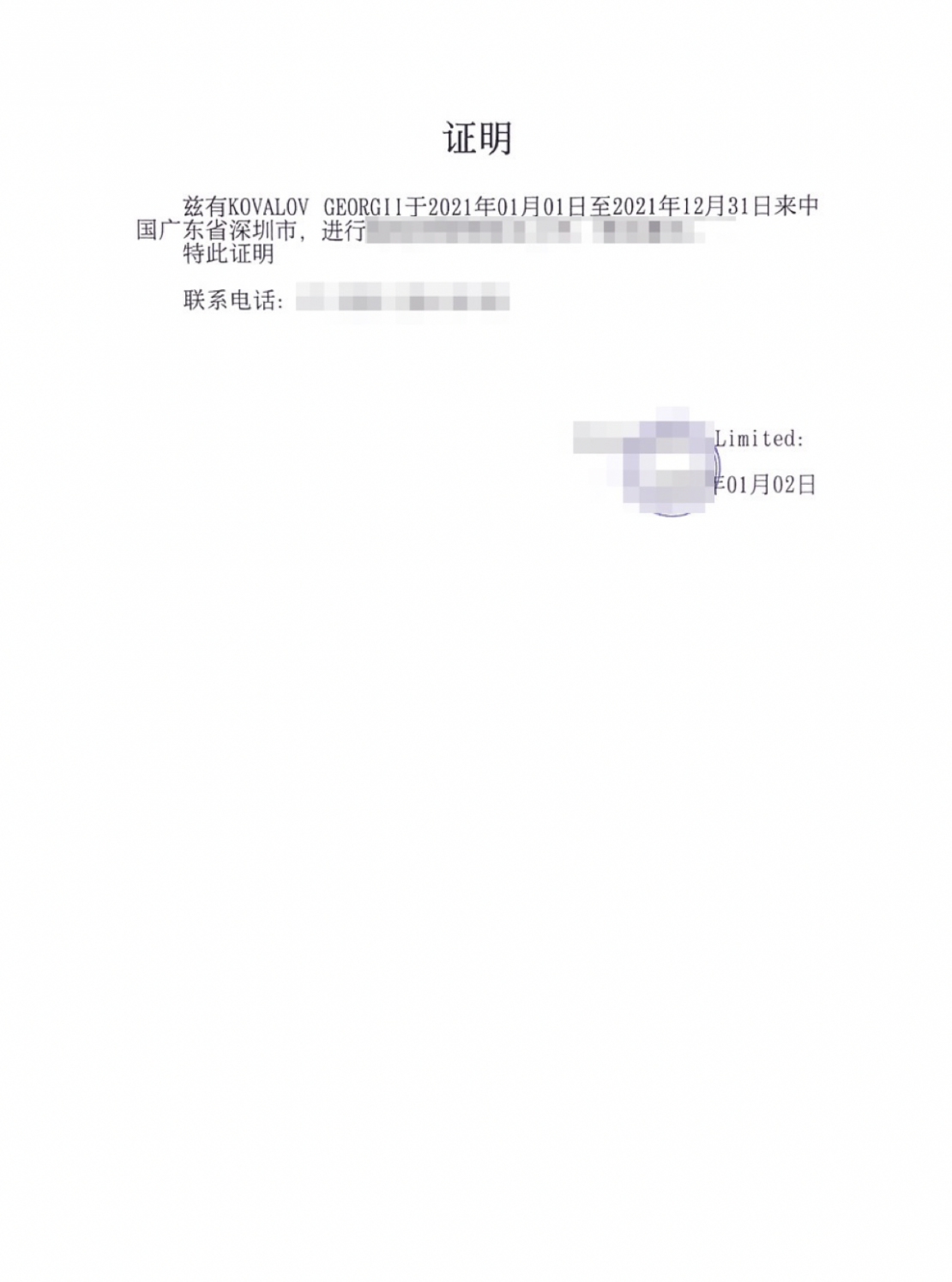
And the third is an extract from the 工资单 of the company with an indication of a specific amount paid to this employee as a salary per se.
That’s all. You receive the documents by mail, and in the bank a regular SWIFT transfer is sent to your name. The SWIFT code of a bank branch is easy to find in the branch itself, and your account number is indicated directly on your bank card.
Upon receipt, the money is not automatically credited to your account, but a separate dollar account 汇 (exchange) appears on it.
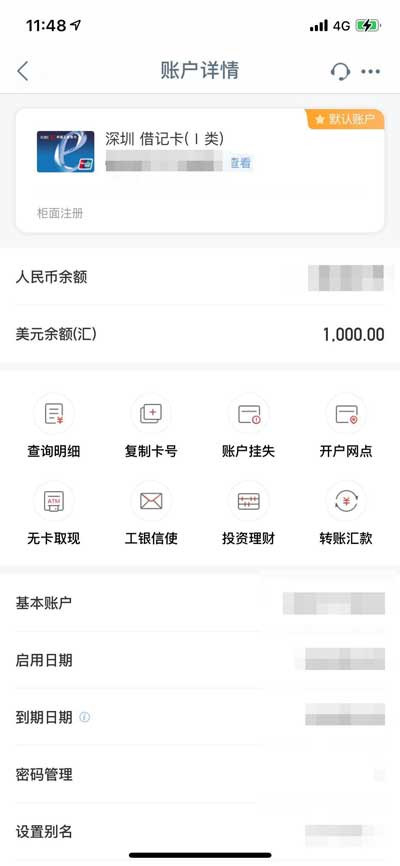
After that, you will need to contact any bank branch and say something like “我要办结汇” (I want to handle a receipt of a foreign currency transfer). Specifically, the requirements depend on the bank, but the lovely ICBC, which has long been known for its favourable attitude to foreigners, did not demand anything from me and simply asked if I wanted to receive money on a card or in cash.

Basically, that’s it. After that, you need to remember that when receiving money in this way, you must declare it as income. Otherwise, you may have to deal with tax authorities.
There is nothing complicated about this – in the application “个人所得税” you will need to submit an income tax return every year, from March 1 to May 31.
In order not to overpay – collect checks from everywhere. Well, business travellers always do it, and this will not create difficulties. Around March or April, you will need to calculate the exact amount you received in RMB (keep receipts) and divide it into two parts:
- the sum of all expenses for food, transport, accommodation and other current spending. You fill out an expense report 报销单 and affix the seal of the company that sent you to China
- your salary. You enter this amount in the field “income for the previous year” and it is this that will be used as a basis for calculating the amount of the tax
If you combine official work in China and income from business trips, this is also not a problem. The only thing is – do not forget that wherever something is related to income from business travel, you should avoid the word “work” and its derivatives. Well, and don’t forget to notify the accountant every year that you had additional income, which also needs to be taken into account when filing a tax return